

For the modern resort operator, the guest journey has never been more complex — or more valuable. While room rates and occupancy levels remain the bedrock of the balance sheet, the greatest margin growth lies in non-room revenue. From high-end boutiques and signature dining to spas and poolside experiences, these amenities are what differentiate a property and drive incremental spend.
However, most resorts are flying blind when it comes to how guests actually interact with these physical spaces. They rely heavily on Point of Sale (POS) data to judge performance, which only tells you who bought something. It says nothing about the 90% of guests who walked past a retail display, lingered in a lounge without ordering, or abandoned a crowded cafe.
This gap between guest movement and the final transaction is the “revenue opportunity hiding in plain sight.” By leveraging resort analytics, revenue managers gain visibility into how guests move, dwell, and engage across retail and dining spaces.
Why Non-Room Revenue Is the Growth Engine Behind Resort Analytics
 The economics of the hospitality industry are shifting. As travelers increasingly prioritize “experiences” over mere lodging, the retail and dining outlets within a resort have moved from being convenience-based amenities to primary revenue drivers. High-margin services like wellness treatments, luxury retail, and curated F&B programs are now essential to the property’s Total Revenue Per Available Room (TRevPAR).
The challenge is that high foot traffic does not always equal high conversion. A lobby-level boutique might see thousands of guests pass by daily, yet struggle with sales. Without behavioral data, operators are left guessing: Is the window display unappealing? Is the staffing level insufficient during peak hours? Or are guests simply using the store as a shortcut to the elevators?
Understanding guest behavior — not just spend — is the key to unlocking this trapped value. In-store analytics provides the “why” behind the “what” of your POS reports.
What Resort Analytics Reveals Across Retail, Dining, and Amenities
To optimize a resort’s physical footprint, leaders need granular data across different zones. Walkbase provides this insight through anonymous, sensor-based measurement that tracks guest flow without infringing on privacy.
Boutique Footfall vs. True Engagement
In a resort retail environment, boutique footfall is a vanity metric if it isn’t qualified. Analytics allows operators to distinguish between a “pass-through” (someone walking past the store) and an “engaged visit” (someone who enters and stays for a specific duration).
- Identify High-Traffic / Low-Conversion Zones: If a retail corridor has massive traffic but low entry rates, the issue is likely merchandising or signage.
- Data-Backed Staffing: Align labor hours with “power hours” of high engagement, ensuring that your best sales associates are on the floor when the highest-intent shoppers are present.
Guest Dwell Patterns in Dining & Lounges
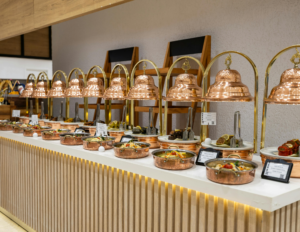 In F&B, dwell time is a double-edged sword. In a fine-dining setting, a longer dwell time might indicate a high-value multi-course meal; in a casual cafe, it might signal a bottleneck in service.
- Upsell Success: By correlating dwell time with menu visibility, resorts can determine if guests are lingering long enough to notice high-margin dessert or cocktail promotions.
- Layout Optimization: Data might reveal that guests avoid certain “dead zones” in a lounge, allowing managers to reconfigure seating or lighting to increase utilization and revenue density.
Amenity Engagement Metrics That Drive Utilization
Beyond food and shops, resorts invest millions in pools, fitness centers, and spas.
- Repeat vs. One-Time Visits: Are guests using the spa once and never returning, or is it a daily destination?
- Underutilized Assets: Analytics can pinpoint specific zones — like a quiet terrace or a secondary pool bar — that are underperforming. This allows for targeted seasonal activations or pop-up events to drive traffic to those specific areas.
Turning F&B Traffic Insights into Measurable Revenue Lift
F&B leaders often struggle with the “missing link” between traffic patterns and menu performance. If a breakfast buffet is congested, is it because of a surge in guests, or an inefficient layout that increases dwell time unnecessarily?
Strategic Scenarios for Revenue Growth:
- The Breakfast Bottleneck: If analytics show high dwell times near the entrance but low utilization of the back dining room, managers can adjust floor flow to increase turnover and seat more guests during peak windows.
- The “Lingerer” Opportunity: If an evening lounge shows high occupancy (long dwell) but low sales lift in the POS, it suggests an opportunity for mobile ordering or increased “roaming” servers to capture incremental drink orders from a captive audience.
- Smart Labor Allocation: Instead of scheduling based on historical averages, use real-time traffic insights to move staff from a quiet retail wing to a surging pool bar, optimizing labor costs against real-time revenue opportunities.
From Guest Movement to Monetization Strategy
In-store analytics doesn’t just help with daily operations; it informs long-term capital expenditure and leasing strategies. By treating the resort as a collection of “addressable surfaces,” operators can maximize the value of every square foot.
- Tenant Mix and Leasing: When negotiating with third-party retail or dining partners, resort owners can provide hard data on foot traffic and audience quality, justifying higher rents for high-visibility locations.
- Pop-Up Placements: Use heat-mapping data to identify the best locations for seasonal trunk shows or spirit tastings, ensuring these high-margin activations get maximum exposure.
- Data-Backed Packages: If data shows that guests who visit the fitness center are 40% more likely to visit the juice bar, you can create bundled wellness packages that naturally follow the guest’s preferred path.
How Walkbase Supports Resort-Wide Insight — Without Invading Privacy

In a luxury hospitality environment, guest trust is paramount. Traditional camera-based tracking or biometric scanning can feel intrusive and “creepy,” potentially damaging the guest experience and damaging guest trust in your brand.
Walkbase offers a privacy-first, sensor-based approach. By using anonymous millimeter wave radar signals, Walkbase tracks movement and dwell time across indoor and outdoor spaces without cameras. This allows resort operators to:
- Scale across multi-property portfolios with a consistent measurement layer.
- Monitor outdoor amenities like pool decks and beach clubs where camera-based solutions often fail.
- Maintain the highest standards of data security and guest anonymity.
Why In-Store Analytics Is Foundational to Hospitality Retail Media
As resorts look toward 2026 and beyond, the concept of Hospitality Retail Media is gaining steam. Resorts possess something most advertisers crave: a captive, high-intent, high-net-worth audience.
By using Walkbase as an insight and measurement layer, resorts can begin to monetize their physical spaces similarly to how websites monetize digital traffic.
- Audience Definition: Understand what type of consumer (hotel guest, conference attendee, bar patron, etc.) is in front of your digital signage or in your retail corridors.
- Exposure Measurement: Prove to brand partners (like luxury watch brands or liquor distributors) exactly how many “qualified impressions” their activations received.
- Performance Optimization: Use attribution data to show that a guest who was exposed to a digital ad in the lobby eventually walked into the boutique.
Measuring What Moves the Needle Beyond the Room
Non-room revenue is no longer an optional “extra” — it is the key to sustainable resort profitability. However, you cannot manage what you do not measure. By moving beyond POS data and embracing in-store analytics, resort operators gain the clarity needed to optimize staffing, improve layouts, and drive higher conversion across every outlet on the property.
Walkbase provides the essential insight layer that powers this next generation of resort monetization. By understanding the “beautiful chaos” of guest movement, you can turn every corridor, lounge, and boutique into a high-performing revenue center.