The holiday season brings the best and most challenging moments for retailers. Stores fill with eager shoppers, sales targets loom large, and every decision matters. Yet despite the high stakes, many retailers still rely almost entirely on sales data to gauge their holiday performance. While revenue numbers tell an important story, the lack of more robust in-store analytics means you miss critical shopper behavior insights about what’s actually happening in your stores.
The truth is, understanding shopper behavior during the holidays requires looking beyond the register. Traffic patterns shift dramatically, displays compete for attention, and store flow becomes more complex. To understand how to measure in-store performance, you need holiday retail metrics that reveal how shoppers move, engage, and convert. Here are seven in-store metrics that matter most during the holiday rush — and why they deserve your attention this season.
1. Hourly Footfall Patterns (Not Just Daily Totals)
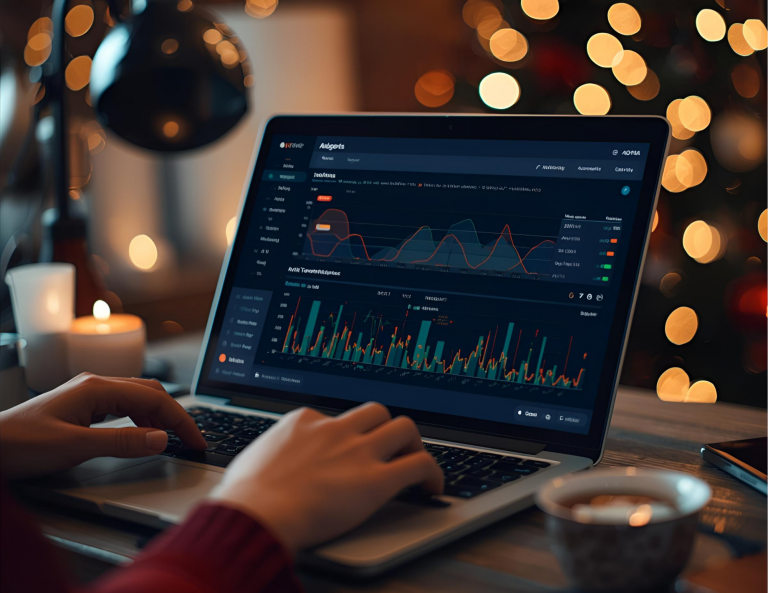
 Daily footfall totals give you a sense of overall traffic, but they don’t tell you when that traffic actually arrives. Holiday shopping patterns are notoriously unpredictable, with sudden surges during lunch hours, after-work rushes, or weekend peaks that vary from week to week.
Hourly footfall insights help you understand exactly when your store gets busy and when it quiets down. This granular view enables smarter staffing decisions, better-timed promotions, and more strategic inventory replenishment. When you know that Saturdays spike between 2–4 PM, you can schedule your best associates accordingly and ensure high-demand items are fully stocked before the rush hits.
Without hourly visibility, you’re essentially flying blind through your busiest season. Footfall analytics transform guesswork into data-driven scheduling and resource allocation.
2. Shopper Dwell Time Near Holiday Displays
You’ve invested time and resources into creating eye-catching holiday displays, but are shoppers actually stopping to look? Dwell time measurement reveals how long visitors spend near specific displays, endcaps, or promotional areas.
Longer dwell times typically signal higher purchase intent. When shoppers pause to browse a display, read product details, or compare options, they’re actively considering a purchase. Tracking dwell time helps you identify which holiday displays are resonating with customers and which might need repositioning, better signage, or different merchandising strategies.
This metric is especially valuable during the holidays when you’re testing multiple seasonal presentations simultaneously. Quick feedback on what’s working allows for rapid adjustments while the season is still in full swing.
3. Zone-Level Traffic Insights
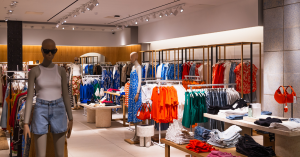 Measuring total store traffic is helpful, but during the holiday rush, you need to understand performance at a more granular level. Zone-level analytics break down your store into distinct areas — like the entrance, back wall, fitting rooms, or specific departments — and show you how traffic flows between them.
This visibility reveals which zones are drawing shoppers and which are being overlooked. Maybe your gift section near the front entrance is performing well, but your seasonal home goods area in the back corner isn’t getting enough attention. Armed with this knowledge, you can adjust layouts, add directional signage, or relocate high-priority merchandise to higher-traffic zones.
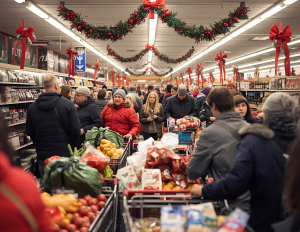
Zone performance data becomes especially critical when stores are crowded. Understanding traffic density helps you prevent bottlenecks, improve circulation, and ensure shoppers can easily find what they’re looking for even during peak hours.
4. Holiday Campaign Impressions & Opportunity-to-See (OTS)
If you’re running digital screens, endcap promotions, or seasonal signage throughout your store, you need to know how many shoppers are actually exposed to them. Campaign impressions and opportunity-to-see (OTS) metrics measure the potential reach of your in-store media.
This measurement is foundational to retail media evaluation. Whether you’re promoting your own products or selling advertising space to brand partners, you need credible data about campaign exposure. How many shoppers passed by that digital display? How many had a clear line of sight to your holiday endcap?
OTS data helps you price media placements appropriately, demonstrate value to brand partners, and make informed decisions about where to position your most important holiday messaging. Without it, you’re left estimating campaign reach rather than measuring it.
5. Shopper Engagement Metrics (Dwell, View Time, Interactions)
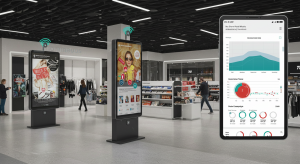 Impressions tell you who had the opportunity to see your content, but engagement metrics tell you who actually paid attention. During the holiday season, when stores are packed and shoppers are moving quickly, understanding genuine engagement becomes even more important.
Engagement measurements track how long shoppers dwell near interactive displays, how many actually stop to view digital content, and whether they interact with touchscreens or product demonstrations. These metrics help you distinguish between a shopper who rushed past your display and one who stopped, looked, and considered your message.
This level of insight is critical for justifying in-store campaigns and promotions. When you can demonstrate that a holiday display generated strong engagement and influenced shopping behavior, you build a compelling case for similar investments in future seasons. Learn more about measuring the impact of in-store retail media.
6. Queue Analytics & Wait-Time Insights
Nothing frustrates holiday shoppers more than long checkout lines. During peak shopping periods, queue length and wait times directly impact customer satisfaction and sales. Shoppers who face excessive waits may abandon their purchases entirely or choose not to return.
Queue analytics provide real-time visibility into line length, wait times, and checkout efficiency. This data helps you deploy additional staff when lines grow, open extra registers during unexpected surges, and identify patterns in queue formation throughout the day.
Beyond immediate operational benefits, queue measurement also helps you evaluate longer-term improvements. Are your new express checkout lanes reducing wait times as expected? Is your queue management system effectively distributing traffic? The data gives you clear answers.
7. Conversion Lift From Holiday Campaigns
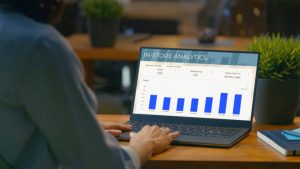 Most retailers track total sales during the holiday season, but fewer measure the specific impact of their in-store campaigns. True campaign measurement requires comparing performance during campaign periods against baseline or control periods to isolate the actual lift.
Did that holiday promotion really drive incremental sales, or would customers have purchased anyway? Is your festive window display actually influencing behavior, or just looking nice? Conversion lift analysis answers these questions by connecting in-store measurements to transaction data.
This metric is especially valuable for retail media discussions. When you can demonstrate that a specific campaign drove measurable conversion lift, you create compelling evidence of in-store media effectiveness. This supports pricing conversations, attracts brand partners, and helps you optimize your own promotional strategies for maximum ROI.
Making Every Insight Count This Holiday Season
The seven measurements outlined here represent more than just interesting data points. Together, these in-store analytics create a comprehensive view of how your stores are actually performing during the most critical shopping period of the year. They reveal where shoppers go, what captures their attention, how they engage with your content, and ultimately, what drives them to purchase.
Sales numbers will always matter, but they only tell you what happened — not why it happened or how to make it better. In-store analytics fill those gaps, giving you the insights needed to make confident decisions about staffing, merchandising, campaigns, and store operations while the holiday season is still underway.
As you navigate the busy weeks ahead, consider which of these measurements could help you unwrap better performance. The retailers who invest in understanding shopper behavior at this level don’t just survive the holiday rush — they use it as an opportunity to learn, optimize, and build stronger operations for the future.
Ready to see what you might be missing? Explore how Walkbase TREQ can help you capture these critical in-store insights and turn them into actionable strategies for holiday success.